Lambeth Council parking permits for removals explained
Posted on 06/07/2026
If you are moving in Lambeth, parking can become the thing that throws the whole day off. The van is booked, the boxes are packed, and then you realise the street outside is tight, busy, or fully lined with cars. That is exactly where Lambeth Council parking permits for removals explained becomes useful: it helps you understand when a permit, dispensation, or temporary parking arrangement may be needed so your move runs without avoidable stress.
In plain English, this guide walks you through what removal parking permissions usually mean in practice, why they matter, how to plan ahead, and the common mistakes that can turn a smooth move into a noisy, frustrating delay. To be fair, most people only think about parking once the removal van is already halfway down the road. Better not to leave it that late.
For wider moving context in the borough, you may also find our guide on moving to Lambeth with local insight useful, especially if you are comparing areas and access issues at the same time.

Why Lambeth Council parking permits for removals explained Matters
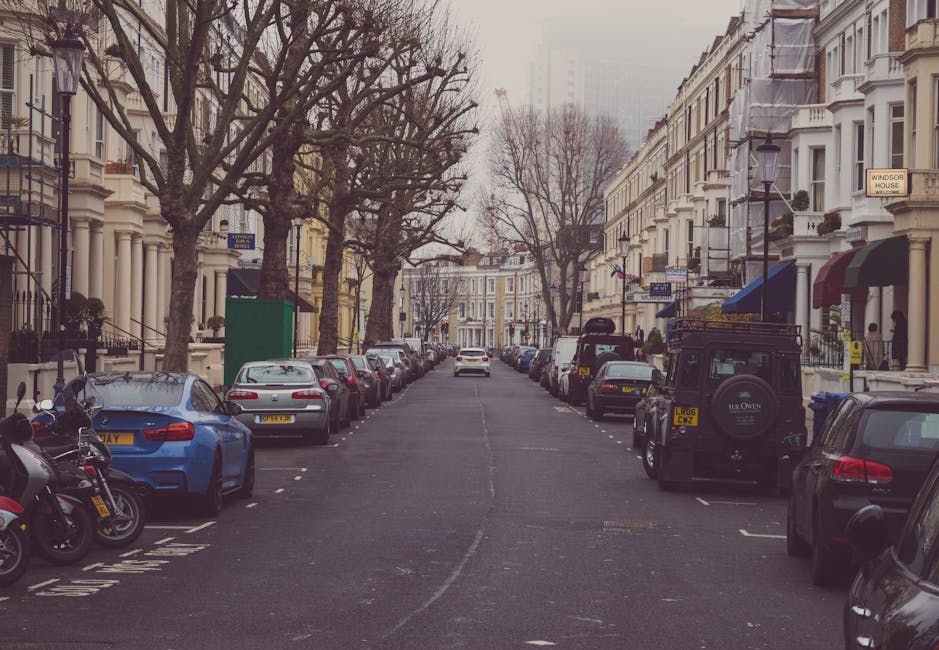
Parking is not a side issue on moving day. It shapes the whole rhythm of the job. If the removal vehicle cannot stop close enough to your door, every box has to be carried further. Every extra metre adds time, effort, and risk. A narrow street in Brixton, a busy road near Vauxhall, or a permit-controlled bay in Clapham can quickly make a simple move feel like a logistics puzzle.
That is why people search for Lambeth Council parking permits for removals explained in the first place. They are trying to figure out whether the vehicle can legally stop where it needs to stop, for long enough to load or unload safely. In practice, the answer often depends on the exact street, the type of vehicle, the time of day, and whether local parking restrictions apply.
It also matters because parking problems do not only affect convenience. They can affect safety. A van parked too far away can lead to rushed carrying, blocked pavements, awkward lifting, and more chances of damage. If you are moving furniture, a piano, or bulky household pieces, those issues become much more than a nuisance. Our insurance and safety guidance is worth keeping in mind alongside parking planning, because access and safety go hand in hand.
And yes, this is one of those moving tasks that feels boring until it goes wrong. Then suddenly it is the most interesting thing in the world.
How Lambeth Council parking permits for removals explained Works
In many London boroughs, including Lambeth, a moving vehicle may need some form of parking permission if it will be stopping in a restricted bay, on a single yellow line, or in another controlled space. The exact arrangement depends on the location and the restriction type. Sometimes people refer to a "permit" when they really mean a temporary parking dispensation or an agreed allowance for loading and unloading. The wording can be confusing, so the practical question is simple: can the van legally stop where you need it to?
Here is the usual logic behind it:
- Check the street restrictions. Look at whether the road has resident bays, pay-and-display bays, yellow lines, loading restrictions, or time-based controls.
- Work out the van size and stopping needs. A small vehicle may be easier to place than a large removal lorry, but both still need enough space to operate safely.
- Decide whether loading/unloading is realistic without permission. Some moves can be done quickly in unrestricted periods. Others absolutely cannot.
- Arrange the relevant permission in advance. Do not assume you can "just stop for a minute." That is how tickets, complaints, and delays happen.
- Keep proof available on moving day. If permission has been granted, have the confirmation accessible, because on the day everyone tends to be busy, flustered, and slightly under-caffeinated.
There is also a practical distinction between a parking permit for the vehicle and general moving access. For example, you may be able to stop temporarily for loading, but still need to avoid blocking neighbours or disrupting traffic. In busy streets, the issue is not only legality; it is whether the move is workable without causing chaos.
For street-specific planning, these local guides can be useful alongside the permit question: Brixton SW9 narrow-street access tips, best routes and times around Vauxhall and Oval, and Clapham Common removals guidance.
Key Benefits and Practical Advantages
Sorting parking properly before moving day gives you a few very real advantages.
- Less walking distance for your belongings. That matters more than people expect, especially with heavy boxes or awkward items.
- Faster loading and unloading. A van close to the entrance saves time and keeps the day moving.
- Lower risk of damage. Fewer long carries mean fewer chances of bumping walls, scraping doors, or dropping items on stairs.
- Reduced stress for neighbours. A properly planned move is less likely to block driveways or cause arguments on the pavement.
- Better control over timing. If parking is organised, you are less likely to lose an hour searching for space.
There is also a commercial advantage if you are hiring removal help. A well-planned parking setup often makes the job more efficient, which can reduce wasted labour time. If you are comparing providers, a good starting point is our pricing and quotes page, because the cost of access problems is often hidden in time, not just the headline fee.
In busy parts of Lambeth, parking planning can be the difference between a tidy, steady move and one that feels like a relay race up three flights of stairs. You do not want the latter. Trust me.
Who This Is For and When It Makes Sense
Not every move needs special parking arrangements, but many do. The people who benefit most from thinking about Lambeth Council parking permits for removals explained are usually moving in or out of:
- flats with limited on-street space
- terraced houses on narrow residential roads
- busy high-traffic locations near town centres
- streets with resident-only bays or controlled parking hours
- properties with difficult access, tight corners, or loading restrictions
It is also especially relevant if you are using a larger vehicle, arranging a full house move, or moving during peak times when parking is already competitive. If you are planning a smaller load, a man and van in Lambeth or a man with van service may still need access planning, but the parking pressure is often lighter than for a larger removal lorry.
Students, flat movers, and same-day movers should pay extra attention. These moves often happen quickly, with limited time to improvise. If your key question is whether the moving vehicle can stop legally and safely right outside, then yes, this topic is for you. If your move is in a quiet street with no restrictions, the answer may be simple. But "may be" is doing a lot of work there.
Step-by-Step Guidance
Here is a practical way to handle it without overcomplicating the job.
- Inspect the street in advance. Walk outside at roughly the same time of day as your move. Parking on a Tuesday morning is not the same as parking on a Sunday evening. Streets in Lambeth can change character fast.
- Identify the restriction type. Look for bays, single yellow lines, double yellow lines, loading-only areas, or signs that limit stopping times.
- Measure the practical stopping space. A van may technically fit, but if it blocks a junction or a driveway, it is still a problem.
- Confirm the vehicle size with your mover. A smaller vehicle can sometimes access more places, while a larger removal van may need more room. If you are still deciding on vehicle type, our pages on removal vans and house removals can help you think through the scale of the move.
- Plan for loading time, not just parking time. Loading takes longer than people expect, especially with stairs, boxed items, and awkward furniture.
- Build in a small buffer. It is usually wiser to arrange things earlier than you think you need them. Roads fill up. Life happens. A delivery lorry turns up. Someone leaves a supermarket trolley where it should not be. Little things, but they add up.
- Keep a backup plan. If the first stopping point is taken, you need to know the next best option before moving day begins.
If you are moving a flat with a tight stairwell or awkward entrance, access planning matters just as much as the permit itself. Our flat removals service and storage options may be helpful if you need to stage items or split the move into parts.
Expert Tips for Better Results
The best moving days are the ones where the parking plan is almost invisible. That does not happen by luck.
- Use the narrowest workable vehicle only if it still matches the job. Smaller is not automatically better. It can mean more trips, more labour, and more time.
- Speak to neighbours if space is tight. A quick polite heads-up can prevent awkward surprises, especially in close-knit streets.
- Load the van in the right order. If the parking window is short, you want priority items closest to the door and the biggest pieces first.
- Protect pavement access. Keep enough room for people to pass. In London, this is not just courtesy; it is smart moving practice.
- Match timing to traffic patterns. Early starts can be brilliant. Mid-morning chaos, not so much.
A useful little trick: take photos of the parking situation before the move. Not because you are expecting drama, but because parking decisions are easier to explain when you have a clear visual record. Simple, practical, slightly nerdy. Works every time.
If you are comparing moving support types, our removal services overview and service summary can help you line up access, labour, and vehicle choice in one place.
Common Mistakes to Avoid
Most parking headaches come from a handful of predictable mistakes. The good news is that they are avoidable.
- Leaving it until the moving day. This is the big one. Once the van is on site, your options shrink fast.
- Assuming "loading only" means "anything goes." It does not. Restrictions still matter, and they can still be enforced.
- Choosing the wrong vehicle size. Too large and you may not fit the street. Too small and you create more trips.
- Forgetting about height, width, and turning space. A road can look fine until the van tries to manoeuvre. Then it suddenly feels very small.
- Not checking whether your entrance is blocked by bins, bikes, or building works. These everyday obstacles are surprisingly common.
- Ignoring building management rules. Some flats or estates have their own access requirements, and those can matter even if the street itself is straightforward.
One of the easiest ways to avoid hidden moving costs is to think about parking as part of the job, not an admin afterthought. Our hidden fees guide for Lambeth removals goes deeper on how small oversights can become expensive.
Tools, Resources and Recommendations
You do not need a complicated toolkit for this. You need clear information and a simple process.
- Street sign checks: Read the parking signs on the actual road, not just the surrounding area. One side of a street can differ from the other.
- Photos and notes: Snap pictures of signs, bay markings, and access points.
- Vehicle details: Know the registration, size, and type of vehicle that will attend.
- Moving schedule: Keep a written timeline that includes parking setup, arrival, loading, and departure.
- Removal planning support: If the move is complex, speak early with experienced removal professionals who understand Lambeth access issues.
If you need more support with packing and timing, our packing and boxes guidance is useful, especially when you want the loading stage to go quickly. For people who need help with heavier items, furniture removals and piano removals are worth reviewing before you commit to a parking plan.
If you are comparing providers, you may also want to look at removal companies in Lambeth and the practical differences between a man with a van and a fuller service. The right choice depends on access more than people think.
Law, Compliance, Standards, or Best Practice
Parking permissions for removals sit inside a wider framework of road use, local traffic control, and safe loading practice. The exact rules can vary by street and by the type of parking control in place, so the safest approach is always to treat the road signage and any local instructions as the starting point.
Best practice is simple:
- do not block driveways or crossings
- do not assume a brief stop is automatically permitted
- keep pavements as clear as reasonably possible
- plan for loading and unloading rather than just "parking"
- make sure your mover understands the access conditions before arrival
There is also a wider duty of care around safe lifting and safe vehicle operation. A parking arrangement that saves five minutes but creates unsafe carrying is not good planning. It just isn't. Good removals work because access, timing, and handling all line up together. That is why our health and safety approach and insurance and safety information sit naturally alongside parking planning.
If you are a tenant, leaseholder, or homeowner, you may also need to check building or estate rules. Council parking permission is one piece of the puzzle, but not always the only one. When in doubt, treat the strictest access requirement as the one to plan around.
Options, Methods, or Comparison Table
Different moves call for different parking approaches. Here is a simple comparison to help you think it through.
| Approach | Best for | Pros | Watch-outs |
|---|---|---|---|
| Unrestricted street parking | Quiet roads with open access | Simple, low admin | Not always available; space can disappear quickly |
| Temporary loading arrangement | Short moves or quick unloads | Flexible and often practical | Time pressure can still cause issues |
| Pre-arranged parking permission | Controlled streets or longer jobs | More certainty on the day | Needs advance planning and accurate vehicle details |
| Smaller vehicle strategy | Narrow streets and tight access | Easier manoeuvring | May increase trip count or labour time |
| Staged move with storage | Complex or space-limited moves | Reduces pressure on the day | Requires more organisation overall |
There is no single "best" method for every Lambeth move. A student flat in one road may need a compact vehicle and short loading window. A family house move elsewhere may be far better served by a larger van and a properly timed parking arrangement. If you are unsure, the practical question is not "what sounds easiest?" but "what will actually work on this street?"
Case Study or Real-World Example
Imagine a couple moving out of a first-floor flat in South Lambeth on a Saturday morning. They have boxes, a sofa, a bed frame, and a few awkward pieces of furniture that were somehow harmless in the flat but suddenly look huge once they are in the hallway. The street has limited parking, and the nearest bay is usually full by 8am.
They first assume they can "just have the van stop outside for ten minutes." In theory, maybe. In practice, the street is busier than they expected, there is a nearby driveway, and the loading path is not straight. Without a plan, the van would have to stop further away, which means longer carries, more trips, and more time with the front door open while neighbours come and go.
Instead, they check the street in advance, confirm the access limitations, and line up the move so the vehicle can get as close as possible at the right time. They also pack smaller boxes properly so the lift from flat to van is quicker. The result? Less walking, less stress, fewer pauses, and a much calmer morning.
It sounds basic, but that is the point. The boring planning often makes the biggest difference. Not glamorous, but very effective.
Practical Checklist
Use this before moving day. A quick run-through can save a surprising amount of hassle.
- Check the street parking signs outside the property
- Confirm whether any loading restrictions apply
- Know the size and type of vehicle attending
- Decide where the van should stop for loading or unloading
- Allow extra time for narrow roads, stairs, and heavy items
- Tell neighbours or building management if appropriate
- Keep access routes clear of bins, bikes, and loose items
- Have a backup stopping point in mind
- Prepare boxes so the load goes in quickly
- Keep contact details and movement plans handy on the day
If your move includes a larger or more awkward load, you may also want to consider same-day removals carefully, since parking and timing need to be even tighter when everything is compressed into one day. For more specialised or smaller-scale help, student removals and office removals can have very different access needs, too.
Conclusion
Lambeth Council parking permits for removals explained really comes down to one thing: making sure your removal vehicle can stop legally and practically close enough to the property for the move to happen safely. If you get the parking side right, the rest of the day becomes much easier. If you get it wrong, everything takes longer, feels heavier, and gets more expensive in little ways that add up fast.
The smart approach is simple. Check the road, understand the restrictions, match the vehicle to the access, and plan a little earlier than feels necessary. That extra bit of preparation is usually the difference between a rushed, awkward move and one that feels calm and controlled.
If you are preparing for a move in Lambeth and want a smoother experience from the first box to the final drop-off, the best next step is to plan access as carefully as the packing itself. Our Lambeth removals services can help you line up the practical details so moving day feels less like a scramble and more like a job well handled.
Get a free quote today and see how much you can save.