Brixton SW9 removals tips for narrow street access
Posted on 07/05/2026
Brixton SW9 Removals Tips for Narrow Street Access
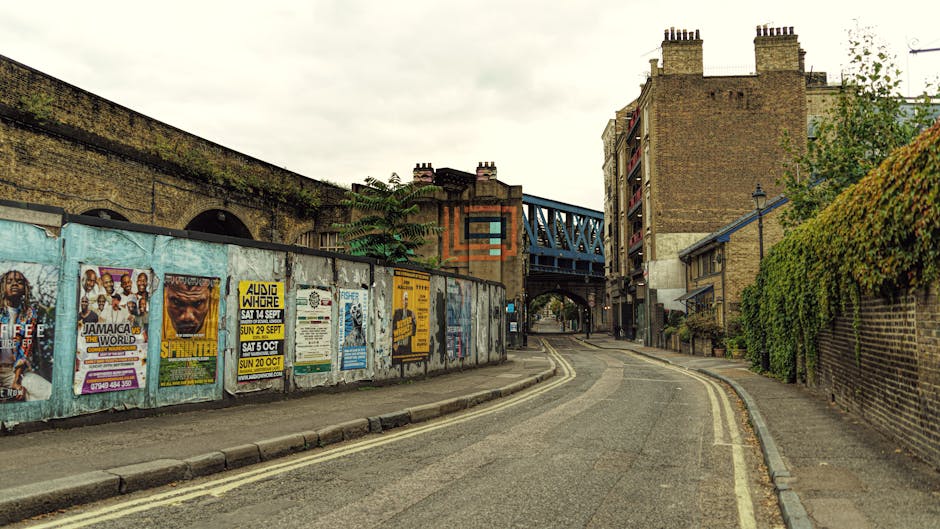
Moving in Brixton can feel straightforward on paper, and then you turn into a side street and realise, oh - that van is not squeezing through there without a plan. That is exactly why Brixton SW9 removals tips for narrow street access matter so much. Brixton's mix of terraces, flats, converted buildings, busy high streets, resident parking, and tight one-way roads can turn a normal move into a bit of a chess game.
The good news? Narrow access does not have to mean a stressful move. With the right preparation, the right vehicle, and a sensible loading plan, you can keep delays low and protect your furniture, your neighbours, and your own sanity. This guide walks through the practical side of moving in SW9: what to check before the day, how to manage access, what equipment helps, where problems usually happen, and when a specialist service is worth it. If you are comparing options, it may also help to look at our removal services overview and the more specific flat removals support for Lambeth homes.

Why Brixton SW9 removals tips for narrow street access Matters
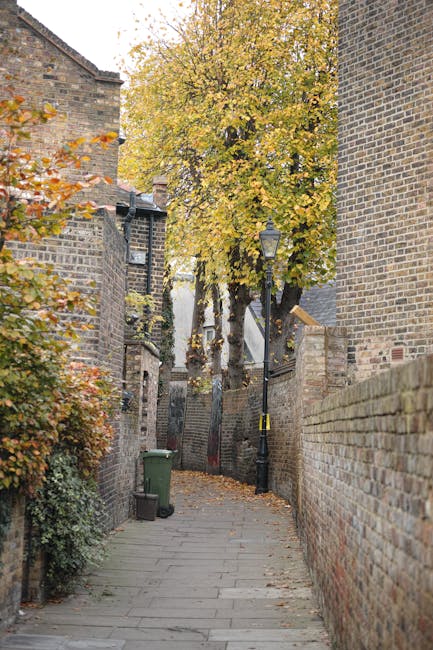
Brixton is lively, well connected, and full of character. It is also, in many pockets, tight. Roads can be narrow, parked-up, and awkward for larger vans. For removals, that matters more than people expect. A few extra metres from van to front door can mean extra lifting, more time, more risk of damage, and a more tiring day for everyone involved.
Narrow access affects nearly every part of the move. Can the removal van stop safely? Is there room to open the tail lift? Can two people carry a sofa without clipping a wall, bin, or railings? Is there enough space to keep the entrance clear for neighbours and pedestrians? These are not minor questions. They decide whether the move feels controlled or chaotic.
It also matters for timing. In Brixton, traffic can build quickly, especially around busier routes. If the street is tight, one poorly parked car or a delayed arrival can create a chain reaction. Suddenly, you are carrying boxes a longer distance or waiting for a gap that may never come. To be fair, that is the kind of detail people only learn once they have lived through it.
That is why local knowledge is useful. If you are trying to choose between different moving styles, our guide on man with van services in Lambeth can help you think through the scale of the job, while the broader removals in Lambeth page is useful if you want a full-service option.
How Brixton SW9 removals tips for narrow street access Works
The process is simpler than it sounds. You start by understanding the access problem, then plan the vehicle, the load order, and the walking route from property to van. In narrow streets, success usually comes from reducing friction at every stage.
Here is the basic flow:
- Assess the street and property access before moving day.
- Choose the right vehicle size rather than assuming bigger is better.
- Decide where the van will stop and whether any permits or parking arrangements are needed.
- Pack and label items for quick handling, especially anything fragile or awkward.
- Load in the right order so the most difficult items go in first.
- Keep a clear route between the property and the vehicle.
The key idea is this: in a narrow-street move, the distance from the door to the van becomes just as important as what is inside the van. If the route is messy, you lose time and energy very quickly.
That is one reason many people choose a man and van in Lambeth for smaller moves. It can be easier to manoeuvre a compact vehicle through tight streets than to manage a larger lorry. And if your move has a lot of furniture, the furniture removals service can be a smart fit because bulky items are handled with the right equipment and approach.
Key Benefits and Practical Advantages
Good access planning does more than reduce stress. It changes the whole rhythm of the move.
- Fewer delays because the van is positioned properly and loading is smoother.
- Lower damage risk since furniture is moved fewer times and through a clearer route.
- Less physical strain for everyone carrying boxes up narrow stairs or across pavement.
- Better neighbour relations because the move is tidier, quieter, and less obstructive.
- More accurate costs since the removal team can estimate time and labour more realistically.
There is also a less obvious benefit: confidence. When people know the access plan, they tend to pack better, label more clearly, and make quicker decisions on the day. That calm spreads. You can almost feel it in the room.
If you have ever seen a move where a sofa gets stuck halfway through a stairwell, you will know the value of preparation. It is not dramatic until it is, and then everybody suddenly becomes very interested in measurements. All at once.
Who This Is For and When It Makes Sense
This guidance is useful for anyone moving in or around Brixton SW9 where access is tight, but it is especially relevant for:
- people moving from flats above street level
- tenants in converted Victorian or Edwardian properties
- households on streets with limited parking or single-file access
- students or young professionals with smaller but awkward moves
- anyone moving a heavy item like a piano, wardrobe, or large corner sofa
- small businesses relocating office contents from a constrained road
If your move involves stairs, basement access, or a building entrance that sits close to the curb, you will probably benefit from thinking through the access strategy early. The same applies if you are trying to move out on a tight schedule, because narrow access and time pressure do not always play nicely together.
For example, a first-floor flat move with a long stairwell can be trickier than a bigger house move with easy driveway access. Size is not everything. Shape, layout, and street access often matter more.
If you are at the stage of deciding whether to move in the area at all, our local content on moving to Lambeth with advice from locals and Lambeth real estate tips can give some useful context. And if you are buying or selling, the article on whether Lambeth homes are better to buy or sell may be handy too.
Step-by-Step Guidance
Here is a practical way to approach a narrow-street move in Brixton without overcomplicating things.
1. Measure what actually matters
Start with the street, the doorway, the hallway, and any stair turns. You do not need an architect's survey. You just need enough information to know where the pinch points are. Measure the widest furniture items too - sofas, mattresses, wardrobes, desks - and compare those measurements with door widths and stair corners.
A tape measure and a photo or two can save a lot of guesswork. Truth be told, a quick phone video walking from the pavement to the room is often more useful than a dozen vague descriptions.
2. Book the right vehicle size
In a narrow street, a smaller vehicle is often easier to position and quicker to unload. But smaller does not always mean better. If the load is large enough, multiple journeys can become the slow option. The aim is balance. Choose a van that can access the street and still carry the volume efficiently.
If you are unsure, the information on removal vans in Lambeth may help you compare options, and the broader removal services page is useful if you want support beyond transport.
3. Plan parking and stopping points early
Do not leave parking to chance. Identify where the vehicle can safely stop, how close it can get to the property, and whether anything is likely to block the route. In some cases, the best stopping point is not directly outside the door but at the nearest practical bay or wider section of road.
This is where local common sense matters. If the street is too tight for a larger vehicle to sit for long, a smaller van or shuttle approach may be more realistic.
4. Pack for speed, not just safety
Many people pack to avoid breakage, which is fair enough. But in a narrow access move, speed of handling matters too. Strong boxes, clear labels, and sensible grouping make a real difference. Keep heavy items smaller where possible. Put essentials in one clearly marked bag. Avoid overfilling boxes, because awkward boxes are slower to carry and harder to stack.
If you need supplies, our packing and boxes guidance is a practical place to start.
5. Load in the right order
The order matters. Large and heavy items usually go in first, then medium furniture, then boxes. Why? Because narrow-access moves often rely on efficient stacking and fewer trips. If the van is packed badly, you end up unloading and reloading, which nobody wants on moving day at 2:30 in the afternoon while a neighbour is waiting to reverse past you.
6. Keep the route clear
On the day, make a clean path from the front door to the vehicle. Move bins, bikes, prams, mats, and loose items out of the way if they are in your control. If there are shared areas, be considerate and leave them as tidy as possible. A clean route makes the whole thing feel twice as manageable.
Expert Tips for Better Results
A few small adjustments can make a surprising difference.
- Use furniture blankets and corner protectors to prevent knocks on plaster, bannisters, and painted door frames.
- Take the most awkward item out first if it blocks the rest of the property.
- Pre-decide who is directing traffic between the van, front door, and stairwell. Too many voices slows everything down.
- Keep one person on neighbour awareness if the street is busy. A quick apology and explanation goes a long way.
- Leave a little breathing room in the schedule so one tricky corner does not throw off the day.
If you are moving something delicate or heavy, specialist handling may be the better route. For example, a bulky dining table or upright piano should not be treated like a normal box move. In those cases, our piano removals service shows the kind of care that complex items usually need. Likewise, if your move is mainly a single-room or studio relocation, student removals can be a neat, simple fit.
One practical tip from real moving days: start with the most awkward item while everyone still has energy. Waiting until the end can make the hard bit feel even harder, which is... not ideal.
Common Mistakes to Avoid
Narrow street moves tend to go wrong in the same few ways. Knowing them in advance helps a lot.
- Assuming the van can park directly outside without checking the street width or parking layout.
- Ignoring stair turns and hallway bottlenecks when measuring furniture.
- Packing boxes too heavily, which makes them slower and riskier to carry.
- Forgetting about neighbours, pedestrians, or delivery traffic during the busiest time of day.
- Underestimating the time needed for carrying items the extra distance from van to door.
- Choosing the cheapest service without checking access experience.
The last one is especially common. A low price can be appealing, but if the service is not used to tight access, the real cost may show up in delays, stress, or damage. Not worth it, frankly.
Tools, Resources and Recommendations
For a narrow access move in Brixton, the right tools are not fancy. They are simple, practical, and reliable.
| Tool or Resource | Why It Helps | Best Use Case |
|---|---|---|
| Tape measure | Checks doorway, stair, and furniture sizes | Planning before move day |
| Furniture blankets | Protects walls and item corners | Bulky furniture and tight hallways |
| Straps and trolleys | Improves control and reduces strain | Heavy boxes, appliances, stacked loads |
| Labels and colour-coded tape | Makes unloading faster and more organised | Multi-room moves |
| Phone photos or a short video | Helps confirm access details quickly | Quotes and pre-move checks |
For moving day support, the house removals service is worth looking at if you have a larger home, while office removals in Lambeth may be more relevant for workspace moves with equipment and documents.
If you are not sure whether you need temporary space for overflow items, our storage options in Lambeth can help bridge the gap between move-out and move-in dates. That can be very handy when access is tight and the property simply cannot be emptied in one smooth sweep.
Law, Compliance, Standards, or Best Practice
When moving in London, compliance is mostly about common-sense safety, respectful parking, and making sure the work is carried out in a way that does not create avoidable risk. Exact local parking arrangements can vary, and it is sensible to check the relevant street or borough requirements before moving day rather than relying on guesswork.
Best practice usually includes:
- parking only where it is safe and permitted
- avoiding obstruction of emergency access or pedestrian routes
- protecting shared hallways and communal entrances
- using appropriate lifting technique and equipment
- checking insurance arrangements for items in transit
It is also wise to confirm terms, booking details, and what is included in the service. Our insurance and safety page explains the kind of reassurance many customers look for, while the health and safety policy gives a sense of the standards a careful removal team should follow.
If you are comparing providers, take a moment to review removal companies in Lambeth and look for signs of real access experience, not just broad promises. A company that understands narrow streets tends to ask better questions before the job begins. That's a good sign.
Options, Methods, or Comparison Table
Different moving methods suit different levels of access difficulty. The right choice depends on volume, stair access, budget, and how tight the street is.
| Option | Best For | Strengths | Trade-offs |
|---|---|---|---|
| Man and van | Smaller loads, flexible access | Easy to manoeuvre, often efficient in tight streets | May require more handling if the move is large |
| Full house removals | Larger homes, more furniture | More labour and structure, less strain on you | Needs more planning for parking and access |
| Partial move / hybrid move | Awkward access with mixed load size | Flexible and cost-aware | Requires careful coordination |
| Same-day removals | Urgent moves | Fast response when timing is tight | Less room for detailed planning |
If your schedule is compressed, our same-day removals page may be useful. If your move is modest and access is the main issue, man with a van or man with van options are often more practical than a larger vehicle. The trick is matching the method to the street, not the other way round.
Case Study or Real-World Example
Imagine a second-floor flat in Brixton with a narrow stairwell, no lift, and a street where parking is already limited by mid-morning. Nothing unusual, really. The move includes a sofa, a bed frame, four medium boxes of books, clothes rails, a table, and a few fragile kitchen items.
If the team arrives with a vehicle that is too large, they may need to park farther away. That adds carrying distance. If the boxes are overpacked, the extra stair carrying becomes slower. If the sofa is not measured properly, it might need partial dismantling at the doorway. Suddenly a simple move becomes a chain of small problems.
Now compare that with a better-planned approach:
- furniture is measured before the move
- the van is chosen for access, not just capacity
- the route from door to street is cleared
- fragile items are packed separately and labelled
- the largest furniture is taken out first
- the move is timed to reduce conflict with peak street activity
The result is not magic. It is just smoother. Less wobbling around corners, less standing about, less frustration. And the whole thing tends to feel calmer by lunchtime, which is a small victory but a real one.
If you are planning around a busy life in the area, it can also help to understand the local context. Our guide to Lambeth's best celebration spots and the article on museums and galleries in Lambeth may not be moving guides, but they do show the kind of busy, lived-in local environment people move around every day.
Practical Checklist
Use this checklist a few days before moving day. It is simple, but it catches the things people most often forget.
- Measure the widest furniture items, doorways, and stair turns
- Confirm where the van can stop safely
- Check whether parking restrictions or time limits apply
- Tell the removal team about any narrow hallways or tricky steps
- Pack heavy items into smaller boxes
- Label boxes by room and priority
- Protect floors, corners, and banisters where needed
- Keep shared access areas clear
- Separate valuables and documents for personal transport
- Have water, phone charger, keys, and essentials ready
Expert summary: In Brixton SW9, the winning move is usually not the biggest van or the fastest pace. It is the best fit for the street, the property, and the load. Get those three things aligned, and the rest becomes much easier.
Conclusion
Narrow street access in Brixton SW9 does not need to derail your move. What it does need is respect. Measure the pinch points, choose a suitable vehicle, pack with handling in mind, and plan the loading route before anyone starts lifting. That preparation turns a potentially awkward day into something that feels manageable, even if the street is tight and the parking is a bit of a faff.
Most moving problems in areas like Brixton are not dramatic surprises. They are small, preventable things: a box that is too heavy, a van that is too large, a doorway that was never measured, a slot that was never checked. Get ahead of those issues and you will save time, money, and energy.
If you need support with a move that involves limited access, fragile furniture, or a tricky building layout, it is worth speaking to a team that understands local conditions and can recommend the right setup from the start.
Get a free quote today and see how much you can save.
And if you are still at the decision stage, have a look through our broader Lambeth removal services pages to find the option that fits your move best. A calm move is usually a well-planned one, and honestly, that is half the battle.