Health and Safety Policy for Removals Lambeth
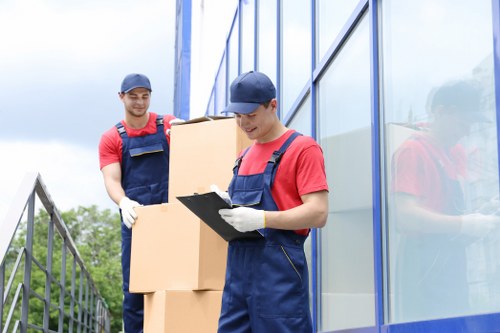 Removals Lambeth is committed to maintaining a safe, controlled, and professional working environment throughout every stage of a move. This health and safety policy sets out the standards expected from our team, our clients, and any third parties involved in a relocation. We recognise that moving heavy items, handling equipment, working in occupied properties, and navigating stairs or tight spaces can all create risks. For that reason, we take a proactive approach designed to reduce hazards, prevent incidents, and protect people, property, and goods.
Our approach is based on planning, awareness, training, and accountability. Every removal project is assessed before work begins so that possible risks can be identified early. This includes checking access routes, understanding the size and weight of items, and considering environmental factors such as poor lighting, uneven surfaces, wet weather, or restricted entry points. By preparing properly, removals in Lambeth can be completed with greater efficiency and far fewer disruptions.
All staff are expected to work safely, follow instructions, and use equipment correctly at all times. We support a culture where hazards are reported immediately and concerns are taken seriously. In addition, our team is encouraged to take regular breaks, use safe lifting techniques, and remain alert during physically demanding tasks. Safety is not treated as an optional extra; it is part of every move we carry out.
Core Safety Principles
Our safety policy applies to every stage of the removal process, from initial packing to unloading and placement of items at the destination. We aim to prevent injury through structured working methods and consistent supervision. This includes making sure that tools, trolleys, straps, blankets, and protective materials are in suitable condition before use. If any item of equipment appears damaged or unsafe, it is removed from service immediately.
Health and safety in removals also depends on clear communication. Team members must confirm responsibilities, coordinate movements, and avoid rushing when carrying awkward or heavy objects. When lifting, staff should use proper posture, seek assistance for bulky loads, and never attempt movements that exceed safe limits. We also expect the work area to be kept as tidy as possible so that trip hazards are reduced and access routes remain clear.
Training and Competence
Training is central to maintaining safe standards. Our staff receive instruction on manual handling, load security, hazard recognition, and the correct use of removal equipment. Refresher training is provided when necessary to maintain consistency and good practice. Supervisors are responsible for ensuring that tasks are assigned according to experience and ability. Where specialist handling is required, the work is overseen carefully so that risks are controlled at every step.
 Removals Lambeth safety procedures also include careful preparation for properties that contain fragile items, narrow hallways, staircases, or shared access spaces. Protective coverings may be used to reduce the chance of damage to floors, walls, and door frames. We also take precautions to avoid obstructing public areas or creating unnecessary inconvenience to building occupants. If the environment changes during the job, the plan is reviewed and adjusted as needed.
Wherever possible, we separate higher-risk tasks from routine handling so that work can proceed in a controlled way. Items that are especially heavy, unstable, or difficult to carry may require additional equipment or extra personnel. We do not compromise on safety for the sake of speed. By working methodically, removals teams can complete jobs safely while maintaining a professional standard.
Emergency preparedness is another important part of the policy. First aid support is made available, and staff are instructed on what to do if an accident, injury, or unsafe condition occurs. Any incident is recorded and reviewed so that lessons can be learned and improvements implemented. This helps strengthen our procedures and reduce the chance of repeat issues in future moves.
Risk Assessment and Worksite Control
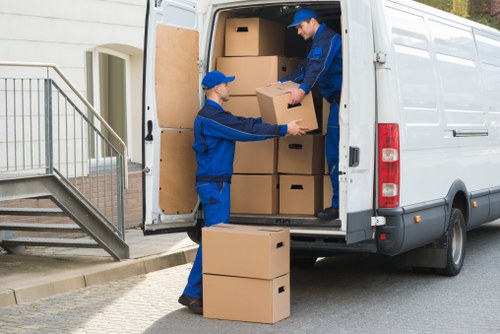 Before work begins, each job is reviewed to identify potential hazards. Risk assessments consider manual handling demands, environmental conditions, access restrictions, and the possibility of damage to personal property or building features. The findings guide how the move is organised, including how many staff are needed and what equipment should be used. This careful preparation supports safer outcomes for both the team and the customer.
Worksite control is maintained through good housekeeping and clear coordination. Items are packed securely, pathways are kept open, and loading areas are organised to minimise confusion. When vehicles are being loaded or unloaded, staff must remain aware of moving parts, shifting weight, and nearby pedestrians. We aim to reduce unnecessary exposure to risk by keeping the working area calm, structured, and monitored.
We also recognise the importance of suitable personal protective equipment. Depending on the task, this may include gloves, safety footwear, hi-visibility clothing, or additional protective materials. PPE is used to support safe practice, not replace it. Staff are expected to combine protective equipment with safe behaviour, teamwork, and constant awareness of their surroundings.
Responsibility and Continuous Improvement
Every person involved in a removal has a role to play in safety. Management is responsible for setting standards, providing training, and reviewing procedures. Employees are responsible for following instructions and working in a way that protects themselves and others. Clients are asked to share relevant information about access, fragile items, restricted spaces, or any other factor that could affect the safety of the move.
We review our practices regularly so that our health and safety policy for removals remains effective and up to date. Feedback from inspections, incident reports, and daily operations is used to identify opportunities for improvement. This commitment to continuous improvement helps us maintain high standards across all types of domestic and commercial relocations.
 If conditions are unsafe at any stage, work may be paused until the issue has been resolved. This may involve repositioning equipment, changing the order of tasks, or waiting for better access. Such decisions are made to protect people and property, and they reflect our commitment to responsible working methods.
Removals Lambeth believes that a safe move is a successful move. By combining careful planning, trained staff, appropriate equipment, and clear procedures, we can deliver a service that values wellbeing as much as efficiency. Safety remains central from the first item packed to the final item unloaded, ensuring every move is handled with professionalism and care.
 Our promise is to keep improving, keep communicating, and keep safety at the forefront of every removal project. Through this consistent approach, Removals Lambeth supports smooth relocations while reducing risk at every stage of the process.